
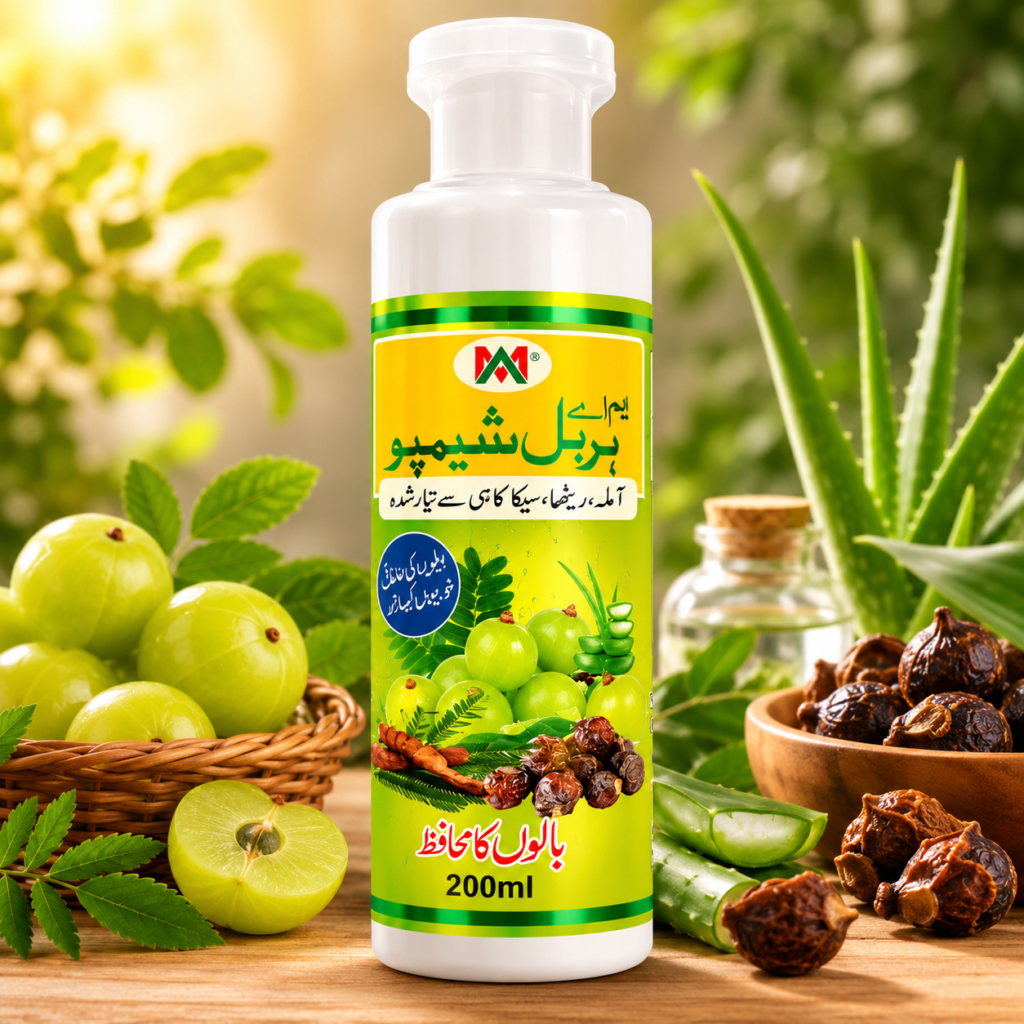
Choosing the right shampoo can be confusing. Walk into any supermarket or browse an online store and you will find dozens of shampoos designed for different hair types, concerns, and preferences. Some products are marketed as natural or herbal shampoos, while others contain a variety of synthetic ingredients designed to cleanse, condition, protect, or improve the appearance of hair.
With so many options available, many people ask an important question: Should you choose a natural shampoo or a chemical-based shampoo?
The answer is not as simple as saying that one type is always better than the other. Almost every shampoo contains chemicals because water and naturally occurring substances are also chemicals. What matters more is the specific ingredients used, how they work, how your scalp and hair respond to them, and whether the product is appropriate for your individual needs.
In this guide, we will compare natural and conventional shampoos, explain common shampoo ingredients, discuss the advantages and limitations of different formulations, and provide practical tips for choosing the right shampoo for your hair.
What Is Shampoo?
Shampoo is a hair-care product designed primarily to clean the scalp and hair.
During the day, your hair can accumulate:
- Oil or sebum
- Sweat
- Dust
- Dirt
- Styling products
- Dead skin cells
- Environmental pollutants
Shampoo helps remove these substances from the hair and scalp.
Most shampoos contain a combination of ingredients that perform different functions. These may include cleansing agents, conditioning ingredients, preservatives, fragrances, thickeners, and other components.
The exact formulation depends on the type of shampoo and the purpose for which it is designed.
What Is Natural Shampoo?
Natural shampoo generally refers to shampoo products that emphasize ingredients derived from natural sources, such as plants, herbs, botanical extracts, oils, or other naturally sourced materials.
Examples of ingredients commonly found in products marketed as natural or herbal shampoos include:
- Aloe vera
- Coconut-derived ingredients
- Tea tree
- Rosemary
- Chamomile
- Argan oil
- Jojoba oil
- Botanical extracts
- Plant-based cleansing ingredients
However, the word “natural” does not have a universal meaning for every shampoo product.
A product can contain natural ingredients while also containing synthetic ingredients. Therefore, consumers should read the ingredient list rather than assuming that the word “natural” means the product contains only plant-based ingredients.
What Is Chemical-Based Shampoo?
The term “chemical-based shampoo” is commonly used to describe conventional shampoos that contain synthetic or laboratory-produced ingredients.
However, it is important to understand that natural ingredients are also chemicals.
For example, water is a chemical substance, as are many naturally occurring plant compounds.
Therefore, instead of dividing shampoos into simply “chemical” and “chemical-free,” it is more useful to evaluate the individual ingredients and the overall formulation.
Conventional shampoos may contain ingredients such as:
- Surfactants
- Conditioning agents
- Preservatives
- Fragrances
- Thickeners
- Stabilizers
- pH adjusters
These ingredients can serve important functions in a shampoo formula.
Natural vs. Conventional Shampoo: What’s the Difference?
The main difference is usually the type and proportion of ingredients used and how the product is formulated and marketed.
Natural or herbal shampoos often emphasize botanical ingredients and plant-derived components.
Conventional shampoos may use a wider range of synthetic and naturally derived ingredients selected for specific functions such as cleansing, conditioning, fragrance, preservation, and texture.
Neither category automatically guarantees that a product will work better for every person.
Your hair type, scalp condition, washing frequency, styling habits, and personal preferences should all be considered.
Common Ingredients Found in Shampoo
Understanding common shampoo ingredients can help you make better purchasing decisions.
1. Surfactants
Surfactants are cleansing agents that help remove oil, dirt, and buildup from the hair and scalp.
Some commonly used surfactants include:
- Sodium lauryl sulfate (SLS)
- Sodium laureth sulfate (SLES)
- Cocamidopropyl betaine
- Sodium cocoyl isethionate
- Other cleansing agents
Different surfactants can have different cleansing strengths and properties.
A shampoo containing a stronger cleanser may be useful for removing heavy buildup, while someone with a dry or sensitive scalp may prefer a milder formulation.
2. Conditioning Ingredients
Some shampoos contain conditioning ingredients designed to improve the feel and manageability of the hair.
These may help hair feel:
- Softer
- Smoother
- Easier to comb
- Less tangled
The conditioning ingredients used will depend on the formulation.
3. Preservatives
Preservatives are commonly used in water-based cosmetic products to help prevent microbial growth and maintain product safety during its shelf life.
Examples of preservatives used in personal-care products include various organic acids, parabens, phenoxyethanol, and other preservative systems.
The presence of a preservative does not automatically mean that a shampoo is unsafe. The important consideration is whether the formulation is appropriately manufactured and compliant with applicable cosmetic safety requirements.
4. Fragrance
Fragrance ingredients are used to give shampoo its characteristic smell.
Some people enjoy strongly scented shampoos, while others prefer fragrance-free or lightly scented products.
If you notice that certain fragranced products irritate your scalp, consider choosing a fragrance-free or low-fragrance formulation.
Potential Benefits of Natural or Herbal Shampoo
Natural and herbal shampoos can be appealing to people who prefer products containing botanical ingredients.
Plant-Based Ingredients
Many natural shampoos contain botanical extracts, plant oils, or other naturally derived ingredients.
Some people prefer these ingredients because they fit their personal hair-care preferences.
Mild Formulations
Some natural shampoos are formulated to provide gentle cleansing.
However, “natural” does not automatically mean mild. The actual formulation matters.
Different Fragrance Profiles
Natural shampoos may use essential oils or botanical extracts to create their fragrance.
However, essential oils can also irritate some people’s skin, so natural does not automatically mean suitable for everyone.
Personal Preference
Some consumers simply prefer products that emphasize naturally derived ingredients. This is a valid personal preference when choosing hair-care products.
Potential Limitations of Natural Shampoo
Natural shampoos are not automatically perfect for every hair type.
Natural Ingredients Can Cause Sensitivity
Some botanical ingredients and essential oils can cause irritation or allergic reactions in sensitive individuals.
For example, tea tree oil, certain fragrances, and botanical extracts may not be suitable for everyone.
Results Can Vary
A shampoo that works well for one person may not work equally well for another.
Hair texture, scalp oiliness, washing habits, climate, and styling products can all influence results.
“Natural” Doesn’t Mean Chemical-Free
As mentioned earlier, the phrase “chemical-free shampoo” is scientifically misleading because everything is made of chemicals.
Instead, look at the actual ingredient list.
Potential Benefits of Conventional Shampoo
Conventional shampoos can offer several practical advantages.
Targeted Formulations
Many conventional shampoos are specifically formulated for particular hair types or concerns.
Examples include shampoos designed for:
- Dry hair
- Oily hair
- Curly hair
- Colored hair
- Damaged-looking hair
- Fine hair
- Sensitive scalps
Consistent Formulation
Commercially manufactured shampoos are generally formulated to provide consistent performance from one batch to another when produced under appropriate quality controls.
Wide Range of Options
There are many conventional shampoo formulations available, making it easier to find a product that matches your hair and scalp needs.
Potential Limitations of Conventional Shampoo
Some conventional shampoos may not suit everyone.
Strong Cleansing
Some formulations can provide strong cleansing, which may be unnecessary for people with dry hair or a scalp that becomes uncomfortable after frequent washing.
Fragrance Sensitivity
Some people may experience irritation from fragrances or other ingredients.
Individual Response
A shampoo can be well formulated and still not suit your individual hair or scalp.
This is why personal experience and ingredient awareness are important.
How to Choose the Right Shampoo for Your Hair
Rather than choosing a shampoo simply because it is labeled “natural” or “chemical-based,” consider your actual hair and scalp needs.
1. Identify Your Hair Type
Start by understanding your hair.
Is your hair:
- Straight?
- Wavy?
- Curly?
- Coily?
- Fine?
- Thick?
- Dry?
- Oily?
Different hair types may respond differently to cleansing and conditioning ingredients.
2. Consider Your Scalp
Your scalp is just as important as your hair.
You may have:
- An oily scalp
- A dry-feeling scalp
- A normal scalp
- A sensitive scalp
If your scalp becomes irritated after using certain products, pay attention to the ingredients and consider switching to a simpler formulation.
3. Think About How Often You Wash Your Hair
Someone who washes their hair every day may prefer a different shampoo from someone who washes once or twice a week.
Frequent washing can remove surface oils from the hair, while infrequent washing may require stronger cleansing to remove buildup.
Choose a product that works comfortably with your routine.
4. Consider Hair Treatments
If you regularly use:
- Hair gel
- Wax
- Hairspray
- Oils
- Serums
- Leave-in conditioners
- Styling creams
you may need a shampoo capable of removing product buildup.
If you have colored or chemically treated hair, you may prefer a shampoo specifically formulated for treated hair.
5. Read the Ingredient List
Don’t purchase a shampoo based only on the front label.
Turn the bottle around and read the ingredients.
Look for ingredients you know you tolerate well and pay attention to anything that has previously caused irritation.
If you have a known allergy, carefully check the product label before use.
6. Avoid Making Decisions Based Only on Marketing
Words such as:
- Natural
- Herbal
- Organic
- Chemical-free
- Premium
- Professional
can be useful descriptions, but they do not automatically tell you whether the shampoo will be suitable for your hair.
The formulation matters more than the marketing language.
Natural Shampoo for Different Hair Types
For Dry Hair
People with dry-feeling hair may prefer a shampoo with a gentler cleansing system and conditioning ingredients.
Look for formulations designed to help maintain softness and manageability.
Avoid washing excessively if it makes your hair feel more dry or rough.
For Oily Hair
People with oily scalps may benefit from a shampoo designed to effectively remove excess oil.
However, extremely aggressive cleansing is not necessarily better.
Choose a formulation that cleans effectively without leaving your scalp feeling excessively uncomfortable or dry.
For Curly Hair
Curly hair can be more prone to dryness and tangling.
A moisturizing or conditioning shampoo may be preferable, depending on your hair’s needs.
You can also consider using a suitable conditioner after shampooing.
For Fine Hair
People with fine hair may prefer lighter formulations that clean effectively without leaving excessive product residue.
The right balance depends on your hair and styling routine.
For Sensitive Scalps
If your scalp is sensitive, consider a simple formulation and avoid ingredients that you know cause irritation.
Fragrance-free products may be worth considering if fragrance is a known trigger for you.
If scalp irritation continues or becomes severe, consult a qualified healthcare professional.
How Often Should You Shampoo Your Hair?
There is no universal shampoo schedule that works for everyone.
Your ideal washing frequency depends on factors such as:
- Scalp oil production
- Hair type
- Hair length
- Exercise and sweating
- Climate
- Styling products
- Personal preference
Some people may shampoo daily, while others may wash their hair several times a week.
The goal is to keep your scalp and hair clean and comfortable without unnecessarily disrupting your hair-care routine.
Natural Shampoo vs. Chemical-Based Shampoo: Which One Is Better?
There is no universal winner.
A natural or herbal shampoo may be a good choice if you prefer botanical ingredients and find that the formulation works well for your hair.
A conventional shampoo may be a better choice if you need a specific formulation designed for your hair type or scalp needs.
The most important factors are:
- Ingredient safety
- Product quality
- Your hair type
- Your scalp
- Your personal preferences
- How your hair responds to the product
Instead of asking, “Which type is always better?” ask:
“Which formulation works best for my hair and scalp?”
Tips for Switching to a New Shampoo
If you want to try a new shampoo, don’t immediately buy multiple products.
Start with one product and see how your hair responds.
Pay attention to:
- Scalp comfort
- Hair texture
- Oiliness
- Dryness
- Frizz
- Manageability
- Overall appearance
Give yourself enough time to evaluate the product rather than changing shampoos every few days.
If you experience persistent itching, redness, burning, swelling, or other concerning symptoms, stop using the product and consider consulting a healthcare professional.
Frequently Asked Questions
Is natural shampoo better than chemical shampoo?
Not necessarily. “Natural” and “chemical” are not reliable categories for determining whether a shampoo is better. The individual ingredients, formulation, product quality, and your personal hair and scalp needs are more important.
Are natural shampoos chemical-free?
No. Natural products are still made of chemicals. The phrase “chemical-free” is generally misleading when used to describe cosmetic products.
Is herbal shampoo good for hair?
An herbal shampoo may work well for some people, depending on its formulation and ingredients. However, herbal ingredients can also cause sensitivity in some individuals.
How do I choose shampoo for my hair?
Consider your hair type, scalp condition, washing frequency, styling routine, and ingredient preferences. Read the ingredient list and choose a formulation designed for your specific needs.
Is sulfate-free shampoo better?
Not automatically. Sulfate-free shampoos use different cleansing agents, and whether one is preferable depends on your hair, scalp, washing routine, and personal preferences.
Can I use natural shampoo every day?
It depends on the formulation and your individual needs. If frequent washing leaves your scalp or hair feeling uncomfortable, consider adjusting your washing frequency or choosing a gentler formulation.
How do I know if a shampoo is suitable for my scalp?
Pay attention to how your scalp feels after using it. If a product consistently causes irritation, dryness, itching, or discomfort, it may not be suitable for you.
Final Thoughts
Choosing between natural and conventional shampoo does not have to be complicated.
Rather than assuming that every natural product is automatically better or every synthetic ingredient is harmful, take a more informed approach. Look at the ingredients, understand your hair and scalp, consider your washing routine, and choose a product formulated for your specific needs.
Natural and herbal shampoos can be an attractive option for people who prefer botanical or naturally derived ingredients. Conventional shampoos can also provide effective, targeted formulations for different hair types and requirements.
Ultimately, the best shampoo is the one that cleans your scalp and hair effectively while fitting your individual needs and preferences.
If you are looking for a shampoo made with natural or herbal ingredients, explore our [Natural Shampoo collection] to find a product that fits your hair-care routine.